Transforming Your Home into an Eco-Friendly Haven
In today's world, creating a healthy and sustainable environment at home is more crucial than ever. Not only does an eco-friendly home reduce your environmental footprint, but it also provides a healthier living space for you and your family. Let's explore practical ways to transform your home into a green sanctuary.
Understanding the Importance of an Eco-Friendly Home
Before delving into the specifics, it's vital to comprehend the importance of eco-friendly living. Every small step you take towards sustainability, from reducing waste to conserving energy, contributes significantly to a healthier planet. An eco-friendly home conserves resources, lowers pollution, and minimizes climatic impact, ensuring a better future for generations to come.
Energy-Efficient Solutions for Your Home
Embrace Renewable Energy Sources
One of the most impactful ways to convert your home into an eco-friendly haven is by utilizing renewable energy sources. Consider installing solar panels, which are an excellent investment for reducing your electricity bills and locking in clean energy. Wind turbines can also be a feasible option depending on your location.
Insulation: The Key to Energy Savings
Proper insulation is paramount for reducing energy consumption. Ensure your home is equipped with efficient insulation in the walls, roof, and floors. This simple upgrade can significantly decrease the need for heating and cooling, thereby reducing energy usage and cutting costs.
Smart Home Technology
Integrating smart technology can greatly enhance your home's energy efficiency. Consider installing smart thermostats and energy-efficient appliances. These devices allow for better monitoring and control of energy consumption, ensuring you only use energy when necessary.
Water Conservation Efforts
Install Low-Flow Fixtures
Water conservation is a critical component of an eco-friendly home. Installing low-flow toilets, showerheads, and faucets can significantly reduce your water usage without sacrificing performance.
Rainwater Harvesting Systems
Consider implementing a rainwater harvesting system. This eco-friendly solution captures and stores rainwater for use in gardening and other household tasks, thereby reducing your dependence on mains water supply.
Sustainable Interior Design
Choose Eco-Friendly Materials
When renovating or designing your home, opt for sustainable materials. Bamboo, reclaimed wood, and recycled metal are excellent choices for furnishings and flooring, as they are both durable and environmentally friendly.
Use Non-Toxic Paints and Finishes
Select paints and finishes that are non-toxic and free of volatile organic compounds (VOCs). These eco-friendly options help in reducing indoor air pollution, providing a healthier environment for your family.
Reduce, Reuse, and Recycle
Implement a Recycling System at Home
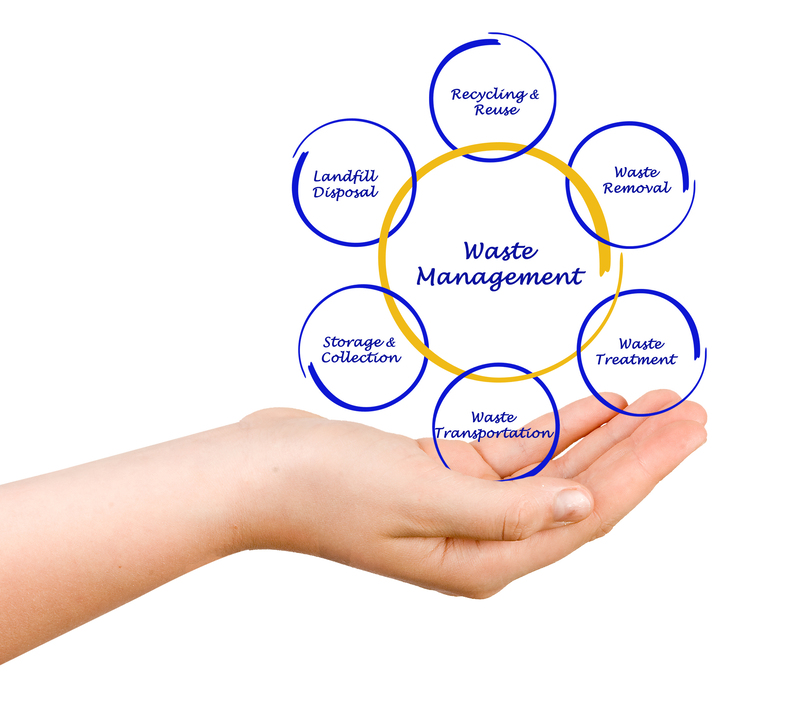
Set up a comprehensive recycling system in your home. Use separate bins for paper, glass, and plastic, and encourage the entire family to participate. This effort helps in minimizing the waste sent to landfills.
Repurpose Old Items
Get creative by repurposing old items instead of discarding them. For instance, an old ladder can become a unique bookshelf, and glass jars can be turned into storage containers. This reduces waste and gives new life to unused items.
Green Your Garden
Plant Native Species
Opt for native plants in your garden. They require less water and maintenance compared to exotic species, making them perfect for an eco-friendly garden. Native plants support local wildlife and help maintain biodiversity.
Composting: Nature's Recycling
Start a compost bin in your garden. Composting organic waste reduces the need for chemical fertilizers and enriches the soil, thus promoting healthier plant growth.
The Role of Lifestyle Changes
Adopt a Minimalist Lifestyle
Embracing a minimalist lifestyle can vastly decrease the environmental impact of your household. Focus on purchasing fewer, higher-quality items that last longer. This approach not only supports a sustainable environment but also reduces clutter in your home.
Conscious Cleaning Practices
Opt for eco-friendly cleaning products that are free from harmful chemicals. Use natural solutions like vinegar and baking soda for cleaning tasks. These are not only effective but also safe for the environment and your health.
Benefits of an Eco-Friendly Home
- Reduces carbon footprint and environmental impact
- Low utility bills and maintenance costs
- Improved air quality and overall health
- Enhances home value and attractiveness
Conclusion
Transforming your home into an eco-friendly haven isn't just beneficial for the planet; it also creates a healthier and more sustainable living environment. By implementing these strategies, you not only make a positive impact but also inspire others to join the movement towards a greener future. Start with small, manageable changes and gradually work your way up to a fully sustainable home.
Remember, every effort counts when it comes to embracing a sustainable and eco-friendly lifestyle. Your choices today will shape the world for future generations, making it imperative to act responsibly and resiliently.