House Clearance in Shepherd's Bush

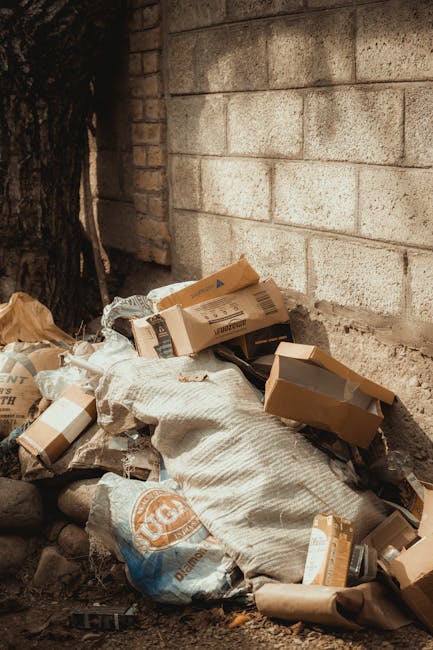
House clearance in Shepherd's Bush needs to be practical, careful and well organised, especially when rooms contain a mix of furniture, bric-a-brac, unwanted appliances and everyday household items. We provide a straightforward service for homes that need to be cleared with attention to access, sorting and responsible removal. Whether the work involves a single room, a full property or a more selective clearance, the aim is to leave the space ready for its next step without adding unnecessary disruption.
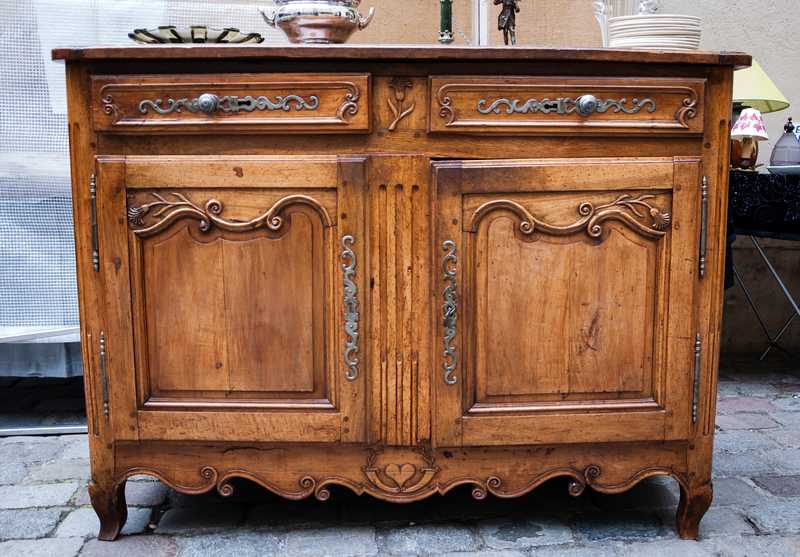
Our house clearance service is suitable for occupied homes, empty properties and places that need contents removed before sale, refurbishment or letting. We can work through larger items first, then move to smaller belongings, separating what is to be taken away from anything that should stay on site. If there are items of furniture or general household goods that need a more focused approach, we also offer furniture clearance for pieces that are no longer wanted but still need careful handling.
For a clear and accurate price, the most useful starting point is a brief description of the property, the type of items involved and any access details that may affect the work. If you are comparing options, our pricing and quotes page gives a simple route to request a quotation based on the work required. Send the essentials first and we can help you plan the removal in a way that suits the property and the contents.
Full and partial clearances
Some customers need a complete clear-out of a house after a move or change in tenancy, while others want only certain rooms or categories of items removed. We can tailor the clearance to the layout of the property and the volume of contents, so the work is neither more extensive nor more limited than it needs to be. That can be especially useful where wardrobes, shelving, soft furnishings and boxed items need to be handled separately from mixed household waste.
Clearance work often benefits from a room-by-room plan. A kitchen may contain small appliances and general household clutter, while a bedroom may mostly contain furniture, textiles and stored belongings. We approach each area with practical sorting in mind, so the removal can proceed in a steady order. If a property also contains goods that are no longer needed but can be taken away as individual items, our furniture disposal page covers the removal of pieces that are ready to leave the home.
Partial clearances can be useful when only part of a property needs attention, or when the occupier wants to retain certain items while clearing the rest. In those cases, it helps to identify what is staying, what is going and which rooms must be left accessible during the work. That makes the process easier to manage and reduces the chance of items being moved unnecessarily. Clear instructions at the outset usually make the whole visit smoother.
Household items, furniture and specialist rooms

Many house clearances include more than one type of item, so the work needs to be organised around both bulk and detail. Sofas, tables, beds and storage units often need different handling from smaller domestic items, and awkward spaces such as lofts or garages can take longer to clear safely. We can adapt the approach to suit the mix of contents, which is useful when a property has built up layers of stored belongings over time rather than a single category of waste.
If the property includes a loft full of boxes, seasonal items or long-stored possessions, our loft clearance service provides a practical way to remove contents from awkward overhead spaces. Garages often present a different challenge because they may contain tools, old storage, broken household goods and items that were never fully sorted. For those areas, garage clearance is a sensible option when the goal is to reclaim usable space and remove accumulated contents in one organised visit.
Some customers also need help with spaces around the home that gather outdoor or mixed household material. Where garden-related items are involved, our garden clearance service can assist with the removal of unwanted contents from sheds, borders and external storage areas. The right service depends on what is actually present, so it is worth identifying whether the property needs one focused clearance or several linked areas cleared as part of the same job.
Planning access, loading and item separation

House clearance is usually easier when the access route is clear and the contents are described accurately. Stairs, narrow hallways, limited parking or upper-floor rooms can all affect how the work is carried out, so it helps to mention them before the visit. A brief list of the main items can be enough to shape the plan, especially when the work includes large pieces of furniture, boxed items or a combination of household goods and general waste.
It is also sensible to think about what should remain in the property before the clearance starts. When a home contains items to keep, items to remove and items that need to be sorted into different categories, the process works best when those distinctions are made early. This is particularly relevant in properties that contain paperwork, sentimental belongings or mixed storage. In those situations, we can work methodically so the clearance stays focused and the property owner retains control of the items that matter.
For more organised work, you may want to group the items by room, by type or by priority. That does not mean every object must be pre-sorted, but it does make the quotation stage more precise and helps the clearance run in a logical order. If you are ready to begin, request a quotation and share the key details first; then the work can be matched to the property rather than forced into a one-size approach.
Waste removal and responsible disposal
Although house clearance focuses on domestic contents, some properties also contain mixed waste that needs to be removed alongside furniture and stored items. In those cases, our waste removal service offers a wider option for material that is ready to leave the property and does not need to be retained. This can be useful when rooms contain a mixture of household goods, broken items and general unwanted material that should be taken away in a single, orderly operation.
We also support customers who need help with domestic waste from areas that are not part of the main living rooms. For example, a shed, utility area or storage room may contain bags, packaging or obsolete household items that are better treated as waste rather than as furniture to be reused. Where the load is made up of general domestic refuse, our business waste removal page is not the right fit for homes, but the distinction between household contents and waste can still help determine the service required.
The best result usually comes from matching the service to the contents, not the other way round. A house clearance may cover a broad range of belongings, while a waste-focused job is better suited to loose material that has no further use in the property. If you are unsure how to describe the job, keep the explanation simple and factual. What matters most is what is being removed and from which part of the home.
Pricing factors and quotation details
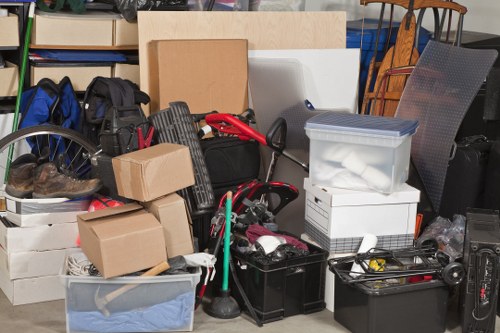
Clearance pricing depends on a few practical factors, including the amount of material, the type of items involved, access to the property and how much sorting is needed on site. A compact flat with a handful of items is very different from a larger home with multiple rooms, loft storage and bulky furniture. That is why a written or verbal description is usually the most useful starting point when requesting a quote for house clearance in Shepherd's Bush.
Where possible, it helps to mention whether the property is empty, partially furnished or still occupied, and whether anything fragile, oversized or difficult to move is included. If the job involves several connected services, such as furniture removal and room clearance, it can be helpful to note that from the outset so the quotation reflects the actual scope. Our contact-us page provides a direct way to ask for the next step once you are ready to proceed.
There is no need to overcomplicate the enquiry. A short outline of the rooms, the main items and any access considerations is usually enough for the quote stage. If photographs are available, they can be useful for a clearer understanding of the load, but a simple description can still be enough to begin. Keep it factual, concise and complete so the response can be matched to the work required.
House clearance for different property types
Different properties call for different working patterns. A terraced house may have straightforward internal access but limited parking; a flat may involve stairs or shared entrances; a larger family home may need several phases of sorting before removal begins. Our house clearance service is designed to handle these variations without turning the job into a rigid routine. The work is shaped by the property, the contents and the level of access available on the day.
For customers who need a more specific internal service, flat clearance is a practical option where the property is an apartment or similar self-contained home. If the home has recently been vacated or is being prepared for sale, a broader internal clear-out may still be the right choice, but the building type can affect how the contents are moved and loaded. The aim is always to remove what has been agreed and leave the remaining items undisturbed.
Properties being sold, let or handed over after a move often need a calm, organised approach rather than a rushed one. That is why it helps to think in terms of rooms, access and contents rather than trying to describe the job in a single line. If you know which areas need attention, you can guide the quotation more accurately and avoid unnecessary back-and-forth. A clear scope saves time for everyone involved.
About Shepherd's Bush
Shepherd's Bush is a district in west London within the London Borough of Hammersmith and Fulham, with a history shaped by suburban expansion, transport links and changing patterns of retail and housing. The area grew markedly in the nineteenth and early twentieth centuries as London spread westward, and its street pattern still reflects that layered development. Goldhawk Road, Uxbridge Road and Shepherd's Bush Green remain important reference points, with the Green acting as a central open space around which roads, shops and public transport routes converge. The district is also associated with the long-running White City regeneration area to the north, where large-scale development has altered the former industrial and broadcasting landscape over time.
One of the best-known landmarks is Westfield London, the major shopping centre that sits close to the area and draws significant footfall to the wider district. Shepherd's Bush Market is another notable feature, combining retail stalls and food traders under the railway viaducts, and offering a distinctive everyday character that sits alongside the larger commercial developments. The local railway and Underground stations connect the area to central and west London, while the nearby television history of the BBC and the former White City site adds a further layer to the district's identity. Residential streets around the centre mix Victorian terraces, later housing and converted buildings, so the neighbourhood retains a varied urban character rather than a single architectural style. Green spaces such as Shepherd's Bush Green provide an open contrast to the busy roads, and the area’s ongoing mix of shopping, transport and housing continues to make it one of west London’s more recognisable urban centres.
Furniture, appliances and room-by-room clearance

House clearance often requires a careful distinction between furniture, appliances and loose domestic items. Sofas and wardrobes may need different handling from white goods or boxed possessions, while smaller items can usually be removed more quickly once the larger pieces have been assessed. A room-by-room method is often the most practical because it keeps the job manageable and helps ensure that everything agreed is taken away in the correct order.
Where a property contains unwanted furniture that should not be left behind, our furniture clearance service can be used to focus on bulky household pieces. If the home also includes contents from storage spaces, outbuildings or other less accessible parts of the property, our earlier clearance options can be combined through a single plan rather than handled in isolation. That approach is useful when the property needs a balanced, orderly result rather than a quick emptying of whatever is easiest to reach.
For customers making an enquiry, the most helpful final step is to state what the property includes, what should remain and when access is available. If you are comparing the scope of different jobs, it is often the mix of items that makes the difference rather than the number of rooms alone. Call or send your details when ready, and we can help you move towards a clear quotation for the work.
Clearance choices for homes, storage spaces and follow-on work
Some properties need more than one type of clearance because the contents are spread across living rooms, storage rooms and outdoor areas. In those cases, it can be sensible to separate the job into distinct tasks while still treating the work as one overall plan. That might mean clearing furniture from the main rooms, removing items from the loft, and dealing with a garage or garden store as part of the same arrangement. The best approach depends on the property and the contents, not on a fixed formula.
Our home clearance service is suitable when the work involves the full domestic property rather than one specific room or category of contents. If the property needs a broader remit because multiple areas are involved, that can provide a practical route to getting everything handled in a coordinated way. For enquiries that need a clear breakdown of what is included, the final useful step is to ask for a quote once the property layout and item types are known.
Some jobs are straightforward; others need a little more explanation before the right service is clear. That is why it helps to describe the house, the contents and the access in ordinary terms, rather than trying to fit the job into a label too early. Be specific about the rooms, mention any large items and note anything that needs special care. Then the quotation can be matched to the actual work and the clearance can be arranged with less uncertainty.
What to include when you ask for a quotation
A useful quotation request usually covers three things: the property type, the main contents and any access points or restrictions. If you can say whether the job is for a house, flat or mixed domestic property, that gives an immediate frame for the work. A short list of major items is then enough to show whether the clearance is mainly furniture-led, storage-led or made up of lighter household contents. Mentioning parking, stairs or narrow access also helps the price reflect the practical side of the job.
If you are comparing services, think about whether the task is best described as house clearance, furniture clearance, loft clearance or a broader clearance of several areas. You do not need to make that decision alone at the start, but narrowing the scope makes the quotation more accurate. For general enquiries, our about-us page can help you identify the company pages available on the site, while the main point here is to match the removal service to the property and the contents.
When you are ready, the final step is simple: send the details, ask for a quotation and let the service be shaped around the home rather than the other way round. If you want a clearer picture of how pricing is structured before you enquire, revisit the relevant service and pricing pages and keep your note brief. A concise request is usually the easiest request to quote.